Ahmed Samy is an Associate Director at U+A with 19 years of experience delivering UAE architectural projects from concept to handover. RIBA Chartered and PMP-certified from Alexandria University, he excels in BIM implementation, team leadership, and complex approvals. His personal rituals turned early career pressures into the focused mindset of a resilient director.
When did you first see personal evolution outpace formal training in architecture?
I first really noticed it when I shifted from solving design problems myself to being responsible for how other people solved them. That’s a very different kind of challenge. Some targeted management training can really help with that, too, especially when it comes to understanding how to work with different personalities and communication styles. For example, tools like DiSC can be useful for understanding how people tend to operate, whether they lean more toward Dominance, Influence, Steadiness, or Compliance, and that can make a big difference in communication and teamwork.
As a designer, you also need to be exposed to different kinds of problem-solving that go beyond design itself. A lot of it is about communication, collaboration, and learning how to adjust the team’s workflow depending on the people and the project. That kind of skill mostly comes through experience working across different project types, larger teams, and broader delivery scopes.
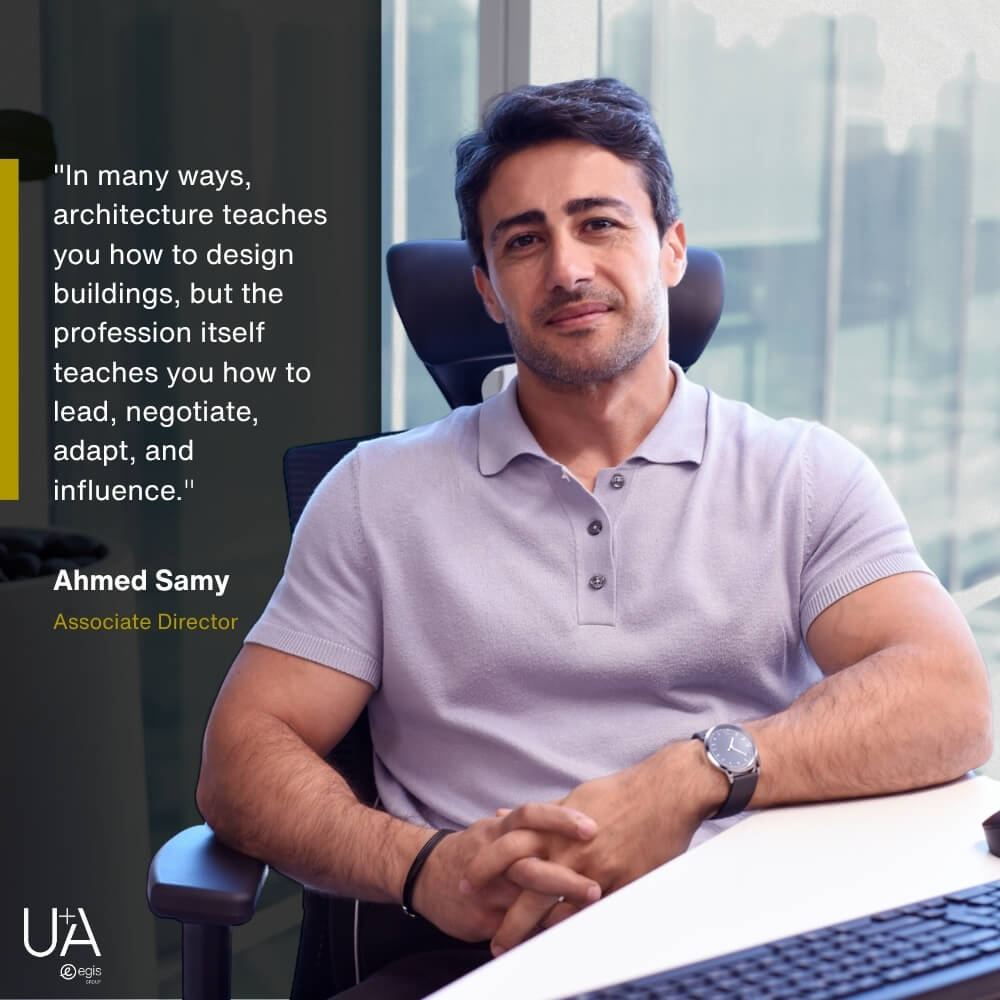
In many ways, architecture teaches you how to design buildings, but the profession itself teaches you how to lead, negotiate, adapt, and influence.
What daily ritual first accelerated your transition from designer to director-level leadership?
The biggest shift for me was moving from doing the design myself to leading the team. That meant learning to delegate, trust people, and guide rather than control. It also made me think more about priorities, what needs my attention now versus what I can let the team handle, and how to get the best out of different personalities and working styles. A lot of that just comes with experience.
Has a personal habit ever sparked a new skill that transformed how you approach projects?
Every morning, I do a quick 15-minute check-in with each project. It’s a chance to identify any risks early, make sure the team has what they need, and keep an eye on progress. These short chats help me stay on top of things without getting in the way of the team’s flow.
Which emerging skill has been most transformative in handling multidisciplinary teams?
The most transformative skill for me has been communication. Working with multidisciplinary teams means balancing different perspectives, priorities, and ways of working. Being clear, listening actively, and keeping everyone aligned have the biggest impact on how smoothly a project runs.
How do your interests outside architecture help you develop skills beyond typical design tools?
I’ve found that keeping sports and fitness as a regular habit shapes how I work as much as it shapes me physically. Training consistently teaches you discipline and helps build routines, which translate directly into professional life. You notice it in the way you stick to schedules, manage priorities, and handle pressure. Even small daily habits of consistency make a big difference when leading projects or teams, especially over the long term.
As your career progressed over 19 years, what became your true measure of professional success?
Understanding the client’s needs has become my true measure of professional success. It’s not just about delivering a beautiful design, but making sure the solution works for them and solves the real problems they face. When the client feels understood, and the project meets their goals, that’s the moment you know you’ve done your job well.